What Makes a Website Feel Premium in 2026 (Without a Big Budget)
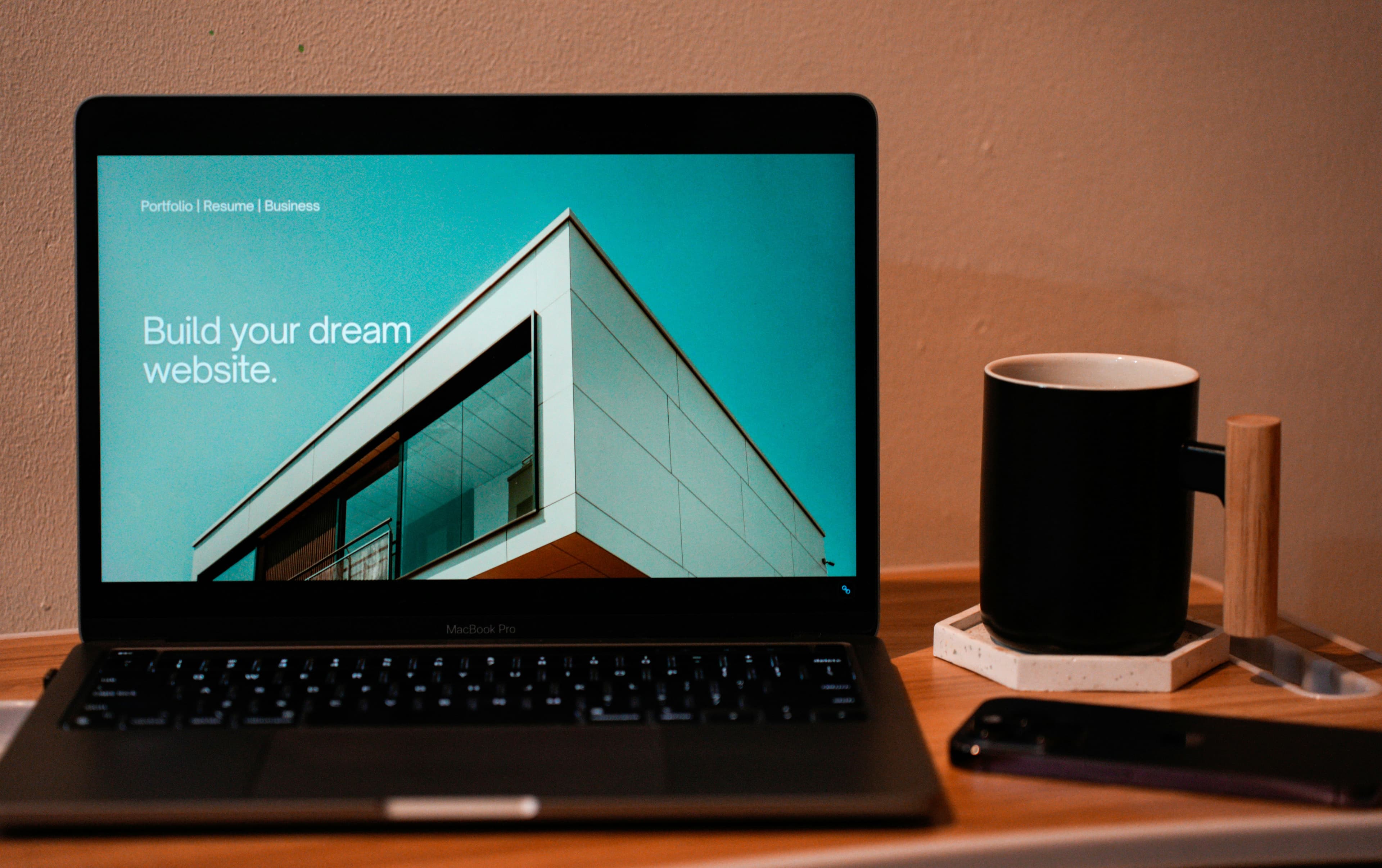
You don’t need a massive budget to create a website that feels polished and professional. Here’s how to achieve a premium look in 2026 without overspending.
Table of contents:
Introduction
A premium-looking website doesn’t have to cost a fortune. With thoughtful design decisions, careful use of visuals, and attention to detail, small businesses can create sites that feel polished and professional.
In 2026, user expectations have evolved. Visitors now quickly judge credibility based on aesthetics, usability, and responsiveness. Even with a limited budget, it’s possible to deliver an experience that feels high-end and inspires trust.
In this article, I’ll break down the key elements that give a website a premium feel, along with practical tips you can implement without breaking the bank.
Clean, Modern Design
Premium websites rely on simplicity and clarity. A cluttered layout, inconsistent fonts, or outdated visuals immediately reduce perceived quality. Focus on clean lines, ample white space, and balanced typography.
Choose a limited color palette and stick to it consistently. Subtle accent colors, high-quality images, and modern iconography can elevate the design instantly. Templates and frameworks often provide ready-made modern styles that look expensive without requiring a custom design.
Even small adjustments like consistent spacing, aligned elements, and readable fonts make a huge difference in the overall perception of your site’s quality.
High-Quality Images and Graphics
Visuals are the first thing visitors notice. Low-resolution stock photos, stretched images, or mismatched graphics create a cheap impression. Use sharp, high-quality images that align with your brand’s tone and message.
There are plenty of free or affordable resources that provide professional photos and illustrations. Custom graphics, even simple icons, can add a unique touch. Make sure images are optimized for web to maintain fast loading speeds.
Beyond photos, consider using subtle motion effects, hover interactions, or small SVG animations to make the site feel more dynamic and refined without a big budget.
Intuitive Navigation
A premium website is easy to navigate. Visitors should instantly know where to find information. Confusing menus, hidden links, or overly complex structures make a site feel amateurish.
Keep your main navigation clear and simple, with descriptive labels. Use visual hierarchy to guide the user’s attention, and ensure calls-to-action are obvious and strategically placed.
Even small improvements, like sticky headers or breadcrumbs, can greatly enhance usability, giving the impression of a carefully considered, high-end experience.
Performance and Responsiveness
Nothing screams low-budget like a slow-loading website. In 2026, performance and responsiveness are key components of a premium feel. Fast pages, smooth scrolling, and mobile optimization make users perceive a site as trustworthy and professional.
Optimize images, leverage caching, and minimize unnecessary scripts. Test your site on multiple devices to ensure that it adapts seamlessly to different screen sizes. A responsive site demonstrates attention to detail and professionalism.
Performance doesn’t just improve perception; it also improves user engagement and SEO, creating a tangible business advantage.
Consistency and Branding
A cohesive visual identity enhances the premium feel. Consistent use of colors, fonts, imagery, and messaging builds trust and makes the site memorable.
Even if your budget is small, define a few core brand elements and apply them consistently across all pages. Small touches like custom buttons, hover states, and typography choices reinforce a polished, high-quality look.
Consistency extends to tone of voice as well. Ensure copy is professional, clear, and aligned with your brand personality.
Conclusion: Achieving Premium Without Spending Big
A premium website is defined by thoughtful design, performance, usability, and consistent branding—not by cost. By focusing on clarity, visuals, navigation, and speed, even small-budget projects can achieve a professional feel.
Implementing the strategies outlined above ensures that your website inspires trust, engages visitors, and converts effectively — all without a big spend.
Remember, attention to detail and intentional design choices make the biggest difference. Small businesses can compete with larger brands by delivering websites that feel polished, modern, and premium in 2026.

Let's talk about your project!